
Washington County Arrest Warrants Explained
An arrest warrant is a judge's order letting officers take a named person into custody. In Washington County, criminal warrants issue through the Washington County Magistrate Court. An officer or a civilian can apply. But the application alone creates nothing. A judge must first find probable cause, a sound factual basis tying a specific offense to the accused. Most civilian applications get set for a hearing, where the applicant, the accused, witnesses, and records may all be heard; when the allegations plainly fall short, the judge can dismiss without one. That step is what separates a bare accusation from an enforceable Washington County arrest warrant. Venue then follows the charge: State Court for misdemeanors, Superior Court for felonies, with later case records held by the clerk of whichever court took the case.
Washington County Warrant Application Route
For alleged crimes in Washington County, the official arrest-warrant and good-behavior-bond application is the form to use. File a separate one for each accused person. Bring adequate identification, return to the clerk, and sign under oath. False statements carry civil or criminal liability, and once filed, only the court can dismiss the matter.
- Confirm current instructions with Magistrate Court at 478-552-3591.
- Identify the alleged offense and why Washington County is the proper venue.
- File facts and supporting material for judicial review.
- Attend the pre-warrant hearing if the judge schedules one.
This route serves one purpose: seeking arrest or detention. It cannot recover property, children, or money. Nor can it stand in for a restraining order or protective order. Search warrants are a different animal, and only law enforcement may request a Washington County search warrant.
Inside a Washington County Arrest Warrant
The blank Washington County application shows what details the court uses to identify a matter. The court record supplies the controlling facts. Public access may depend on case status and lawful redaction.
| Case reference | The official file identifier; no local sample format is published. |
|---|---|
| Named subject | The person whom the judicial order concerns. |
| Alleged offense | The conduct and legal basis presented under oath. |
| Issuing court | The judge or court making the probable-cause decision. |
| Issue and status | Dates or disposition entries, when public and present. |
| Bond | Court-set terms, if any; no standard county amount is published. |
A case entry does not prove a Washington County arrest warrant is still active. Service, recall, transfer, or later court action can all change its status.
Washington County Filing Fee Conflict
The Magistrate Court page now puts the civilian pre-warrant application fee at $30, effective July 1, 2026, tying the change to HB 1131 and personal service by the Sheriff. The older downloadable form still lists $20. The live page is the newer instruction, but confirm the current amount before filing.
Current notice: The $30 charge is an application fee, not a fee to check an existing Washington County arrest warrant.
Asking about status and applying for a warrant are two different acts. Georgia's official guidance says nobody must pay a sheriff just to search for an existing warrant. Court-copy charges may still apply to paper or certified records.
Serving Arrest Warrants in Washington County
The court issues the warrant; law enforcement executes it. The Washington County Sheriff's Office is the broad local channel for existing warrants and county enforcement, though its page posts no warrant-unit search form, public roster, or lobby procedure. City police can act within their own authority, and agencies coordinate across jurisdictions. Booking and first appearance come after arrest as separate stages. Magistrate Court holds first-appearance and bond hearings at the jail at 4 p.m. on weekdays as needed. There, a judge reads the charges and rights and decides whether bail may be set. Washington County publishes no standard bond amount and promises no release time. An in-person inquiry can end in custody, so ask about procedure and consult counsel before showing up.
Checking Washington County Arrest Warrant Status
Washington County publishes no public arrest warrant portal. Georgia offers no single statewide warrant database either. Work the official chain instead.
- Call the Sheriff at 478-552-4795 and ask whether status can be discussed by phone.
- Have the full name, birth date, county, and known case details ready.
- For felony matters, confirm with Superior Court and the Clerk at 478-552-3186.
- For misdemeanors, ask the State Court clerk which record controls.
- Use a narrow written request when the goal is an existing public record or policy.
A phone refusal is a procedure result, not proof that no warrant exists. Georgia.gov warns that asking in person can bring immediate custody if an active order turns up. Call first; know the risk.
Comparing Washington County Court Orders
An arrest warrant, a summons, and a bench warrant do different jobs. The underlying case and issuing court set the right response in Washington County.
| Feature | Arrest warrant | Summons | Bench warrant |
|---|---|---|---|
| Purpose | Authorizes custody | Directs appearance | Addresses a missed duty |
| Basis | Probable cause | Notice of a case | Failure to appear or comply |
| Issuer | Judge or magistrate | Court or lawful process | Judge in the case |
| Response | Counsel, surrender, bond | Appear as directed | Ask about recall |
A bench warrant grows out of an existing case rather than a fresh probable-cause finding. The Washington County bench warrant search covers that route in more detail.
Washington County Warrant Files and Privacy
A Magistrate warrant file can hold applications, affidavits, and evidence. Washington County's judicial retention schedule generally keeps such files for ten years, and a warrant transferred to State or Superior Court travels with that case. Retention, though, is not live status. The blank form itself asks for addresses, phones, birth date, physical description, vehicle and tag details, reports, and medical treatment. Those sensitive fields serve court review, which is exactly why no public roster should exist. The Attorney General's request guidance favors narrow written requests, and law-enforcement, medical, investigative, sealed, and juvenile limits may require redaction. It doubles as a handy written-request reference.
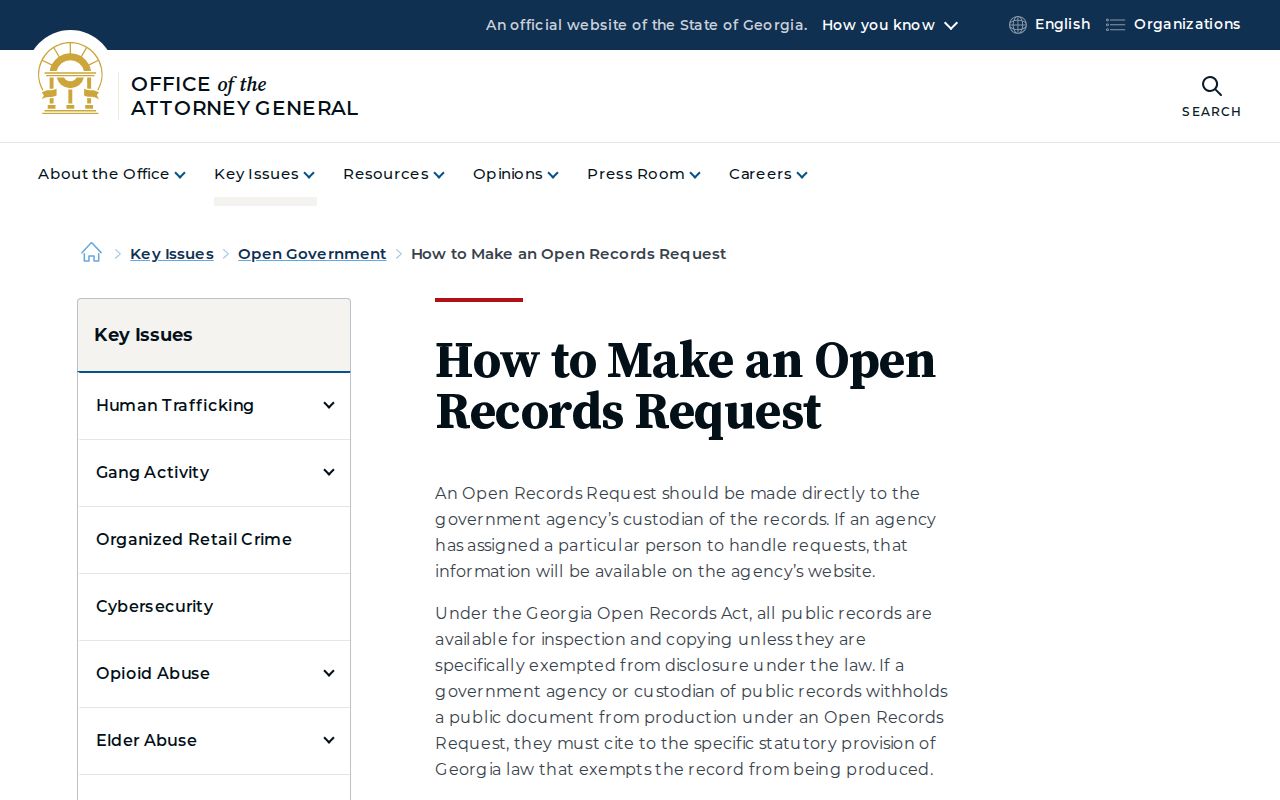
A focused written request should seek an identifiable public record, not a broad roster or restricted investigative material. The Georgia Courts e-file page identifies Washington court systems.
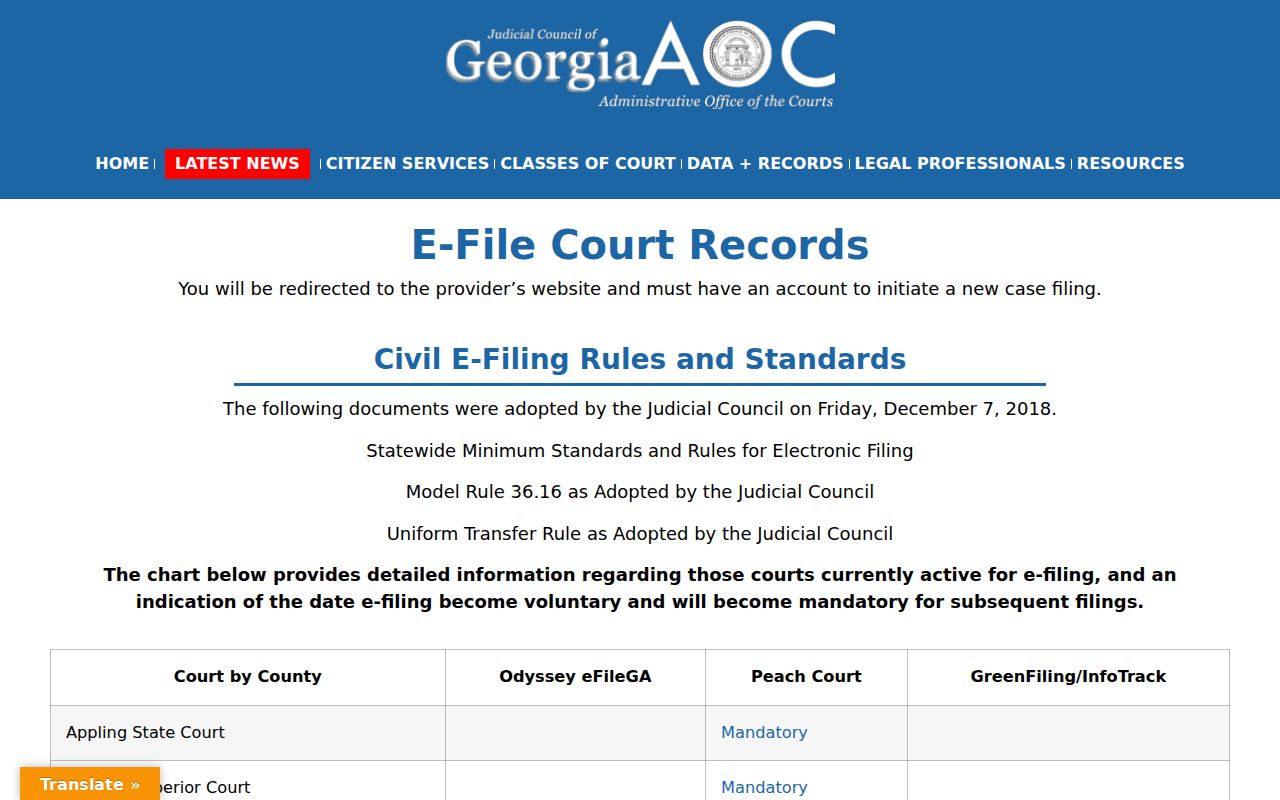
E-filing access is a court process, not a public live warrant list.
Restricted Washington County Arrest Records
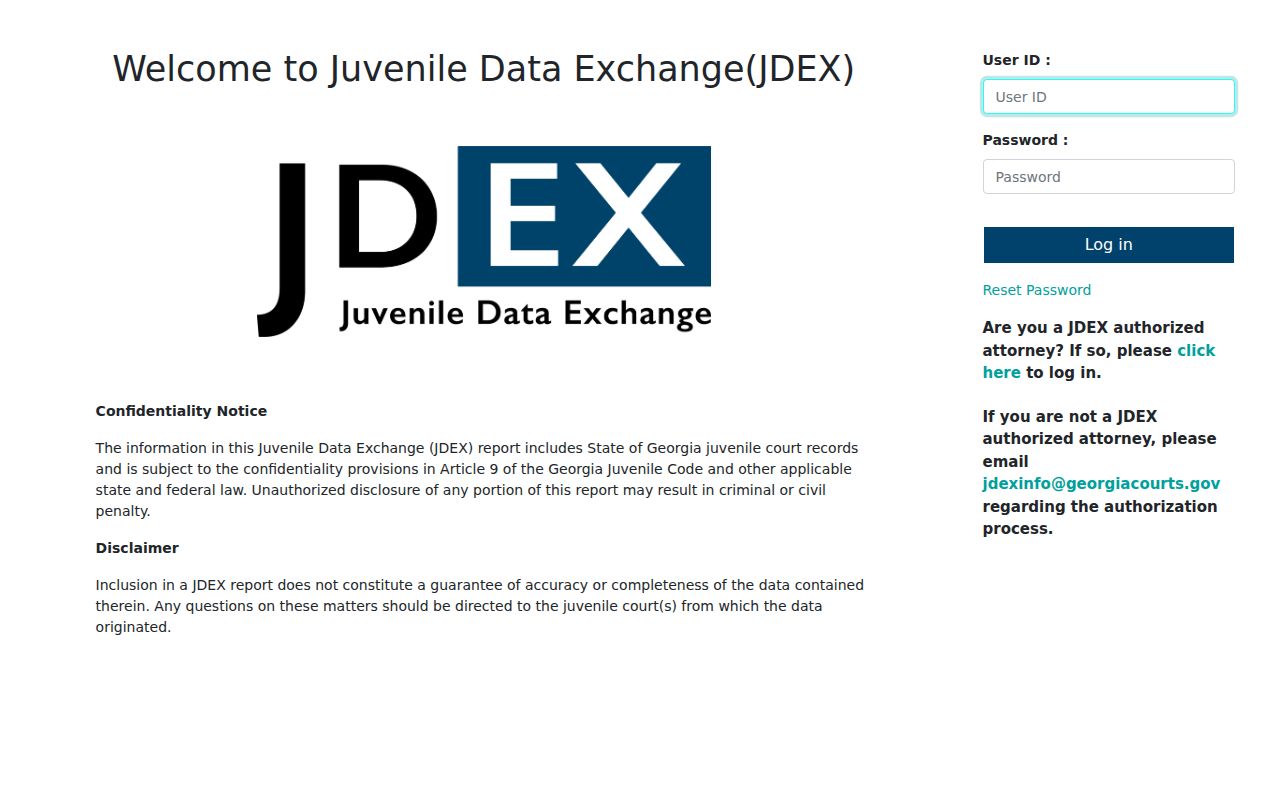
Georgia leans toward open records, but Washington County warrant files are not all public at once. Some things stay closed for good reason. Under O.C.G.A. § 50-18-72, agencies may withhold material tied to confidential sources, officer safety, surveillance, or pending investigations and prosecutions. A denied requester can still ask for the segregable portions. They may also demand a cited legal basis for the refusal. Juvenile files face the tightest limits, and JDEX allows only authorized users, per its official login warning.
A missing public result in Washington County proves nothing about an active warrant, and neither does an old docket entry or a retained application. Only the issuing court can confirm one.
If There Is an Arrest Warrant for You
If a Washington County arrest warrant carries your name, verify it before acting. Call the Sheriff's Office and the issuing court, ideally with a Georgia lawyer at your side. Counsel can ask about the charge, the bond amount, and how to surrender voluntarily and safely. The lawful paths are few: turn yourself in, post bond, appear, or ask the judge to recall or quash the warrant. Recall means withdrawal. Quash means the court sets the order aside entirely. Pin down the details early. Ask which court signed the warrant, whether it is still active, whether bond has been set, and which office records a surrender. When a Magistrate matter moves to State or Superior Court in Washington County, the later file usually controls. A clerk can route the question; a lawyer can gauge what each step means. Payment alone will not clear it. Do not assume a filing, a payment, or a missing web result recalls the warrant either. Get court confirmation after anything you do, then note the date, the office, and the reference number, since a retained document may lag a later judicial act.
Important: Speak with counsel before appearing; an active Washington County arrest warrant can lead to immediate custody during law-enforcement contact.
The Washington County Sheriff can be reached at 478-552-4795. Save 911 for true emergencies, not status checks. A relative helping out should keep private identity details inside official channels only.